How Bulk Corrugated Packaging Cuts Backhaul Costs
One strategy of reducing backhaul costs is to use corrugated packaging. This article explores how and why.
One strategy of reducing backhaul costs is to use corrugated packaging. This article explores how and why.
Industries change and grow, but the need for businesses to reduce costs and maximize profitability never does. Transportation costs can really eat into profit margins, especially when products must be shipped back and forth multiple times before they make it to the final customer.
Automotive parts, appliances, machinery, and other high-volume commercial items involving assembly and finishing treatments all require a cost-saving shipping approach. When shipping these types of items, one strategy to reduce backhaul costs is to use corrugated packaging.
Here’s why:

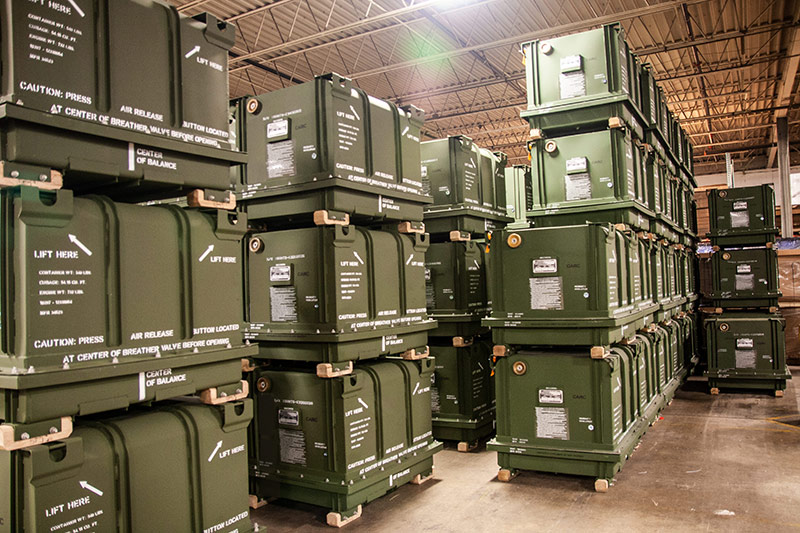
Crates, cartons, and other rigid-sided shipping containers can take up a lot of valuable space in trucks, limiting how many containers can fit in each trailer and driving up backhauling costs per container.
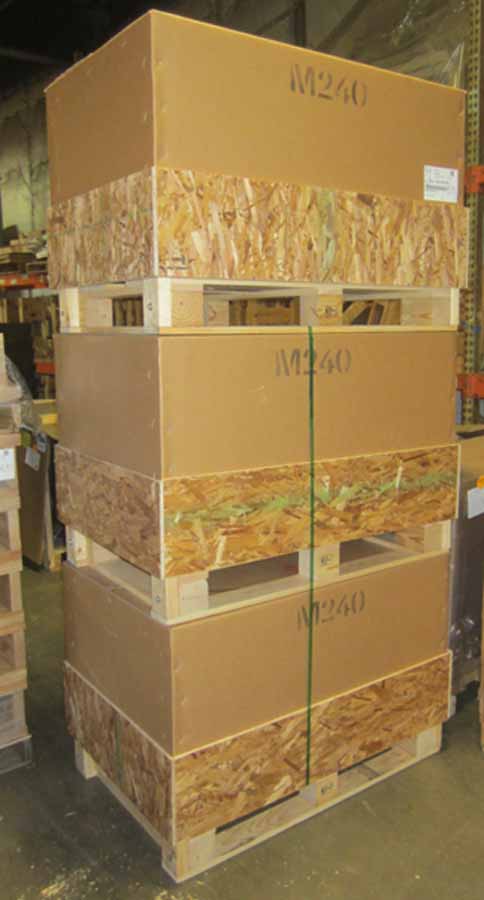
Collapsible containers, whether full or empty, stack easily for shipping. Some corrugated containers nest for stacked transport, while others are fully flattened and take up little space. The corrugated structure of the material prevents it from being damaged by the weight of a stack pressing down on it, too. You may only have to pay for a section of a container for backhauling, even if you need all the corrugated packaging to fill an entire trailer with your products for the first leg of the trip.
The main factor controlling total shipment costs, especially the backhaul portion of the logistics process, is weight.
Corrugated boxes and cartons are lightweight, cutting total shipment weight no matter where they’re being transported. You’ll save on total shipment costs for both primary travel and the backhaul stage. Since you’re helping the shipping company save fuel by reducing the total load in each trailer, you’ll get the savings passed on to you.
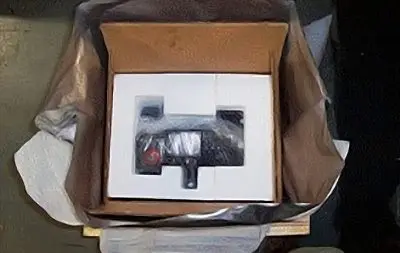
Don’t mistake thin or low-weight rated cardboard packaging for the high-strength corrugated materials available for protecting entire pallets and multiple smaller packages. Corrugated packaging can be double- or triple-walled, reinforced with fiber, or coated with a water-resistant solution to help improve durability.
With corrugated packaging, you can eliminate the backhaul process entirely by leaving the packaging at the drop-off location along with the products. The cardboard can be recycled by local facilities, reducing or eliminating end costs after the package is accepted.
Keep in mind, this does create replacement costs for the packaging. You’ll have to weigh the cost savings from recycling at the drop-off point against the opportunity to reuse them. If you could get additional uses out of the corrugated cartons or boxes you order, you may want to pay for backhauling at least once or twice before sending the material to local recycling facilities.

Products packaged in strong but lightweight corrugated boxes are easier to lift and unload, speeding up work at both ends of the shipping process.
Reducing labor costs for breaking down and loading packaging for backhauling the materials makes it more affordable to reuse them. These boxes are also quick to open and unload, even if they’re large triple-walled cartons covering entire pallets of materials or smaller packages.
While it’s easy to assume that using lightweight and strong packaging materials will save you money during shipping, there’s nothing wrong with wanting some evidence. Data collected from a large Washington state apple grower proves that swapping out plastic reusable packaging for recyclable corrugated materials can equal big savings.
The grower shipped 28 million pounds of apples over 2,000 miles to a distributor. Switching to corrugated packaging instead of plastic crates, which required backhaul services, saved the company $267,000.
If corrugated packaging is sufficient for protecting delicate fruit like apples and provides such dramatic cost savings, consider what it could do for heavier products like automotive parts, appliances, and machinery.
Of course, backhaul costs aren’t the only costs you need to consider to keep your business profitable. At Export Corporation, we’re happy to bring our 70+ years of experience to your projects and help you find ways to save even more. We’re committed to supporting business growth by improving efficiency and reducing operational costs.
Our custom packaging solutions and other value-added services help simplify the last stages of preparation and delivery. We provide warehousing, barcoding, light assembling and kitting services, and virtually any type of packaging option—everything is customized based on what you’re transporting. While we don’t offer shipping, we’re happy to work with your chosen shipping provider and hold items as needed for seamless transitions. We also carry a number of certifications and registrations to satisfy any regulations relevant to your industry, including ISPM 15, ISO 9001, SAM, ITAR, and CMMC Level 2.0.
Visit our website to learn more about our capabilities, or contact us today to discuss your next project.
Send us details about a packaging project you need, and a member of our expert team will be in touch.