Returnable Versus Expendable Packaging for Automotive Parts
Should you use returnable packaging or expendable packaging for your automotive parts? Learn more in this article.

Should you use returnable packaging or expendable packaging for your automotive parts? Learn more in this article.
Packaging isn’t some throwaway concept; it directly impacts transportation costs and influences product safety. The challenge with automotive parts is that they vary in size, weight, fragility, and shape. As a parts manufacturer, how are you supposed to decide what’s the most cost-effective, yet protective solution for your components?
Using standardized packaging simplifies procurement and warehousing, but it doesn’t work well for oddly shaped or oversized parts. Plus, your design has to be compatible with palletization, racking systems, and other carrier requirements to prevent unnecessary slowdowns.
Another challenge is the decision between returnable and expendable packaging. Some OEMs require the use of returnable or reusable containers for high-volume production runs to reduce long-term costs, but in other scenarios, such as when transporting aftermarket parts, expendable packaging might be preferred.
As a business owner, you already have enough on your plate. How are you supposed to know which packaging is ideal for your specific situation?
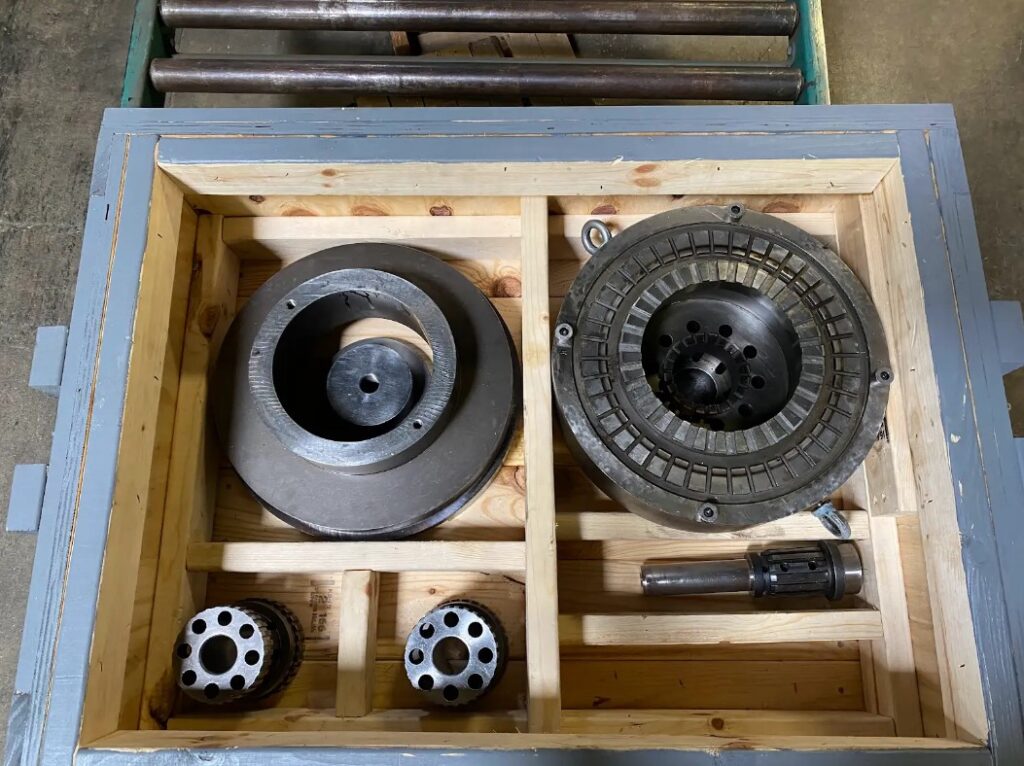
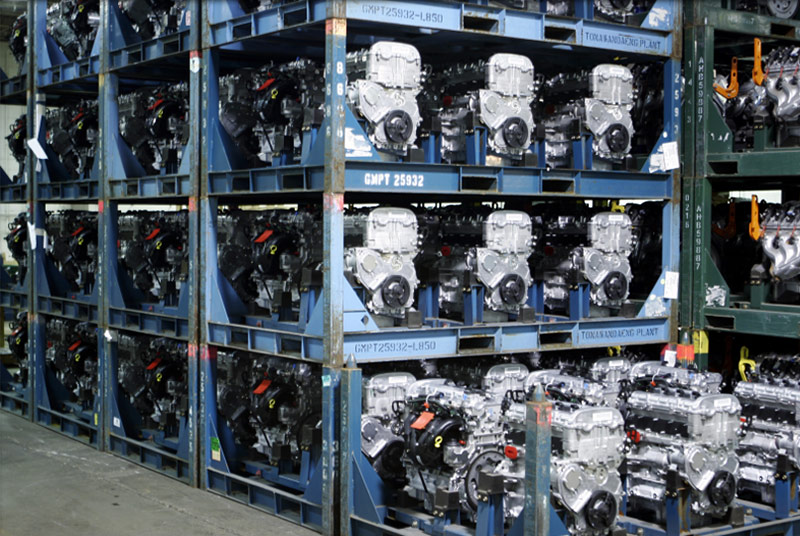
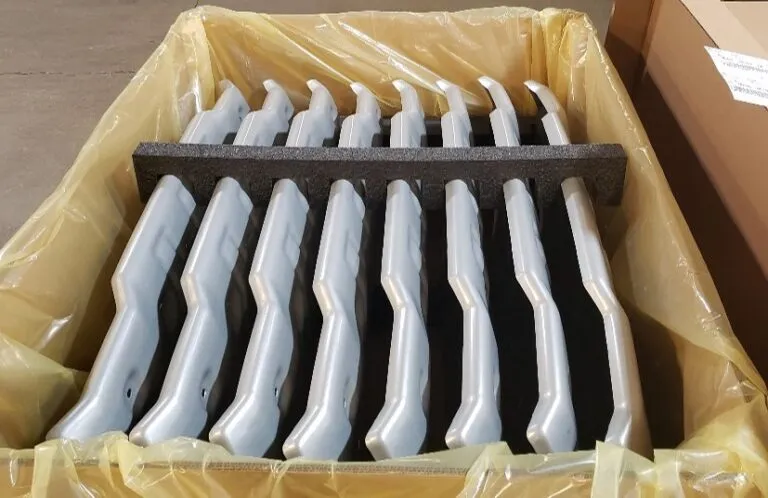
Returnable packaging, as the name suggests, is reusable. The packaging can be standard or custom, depending on the part design, and can be made from a wide range of materials. Heavy-duty wooden crates, metal drums, and polymer dunnage are used to create returnable packaging for dozens, or even hundreds, of shipping cycles. This type of packaging is more commonly used to contain products going to intermediary receivers (assembly plants, retailers, etc.).
In some situations, reusing the same packaging can lead to substantial savings compared to producing new, disposable materials every time, but don’t assume it’s true for every automotive part. Returnable packaging does cost more to build at the start, so you’ll need to ensure you’ll make the most of the investment first.
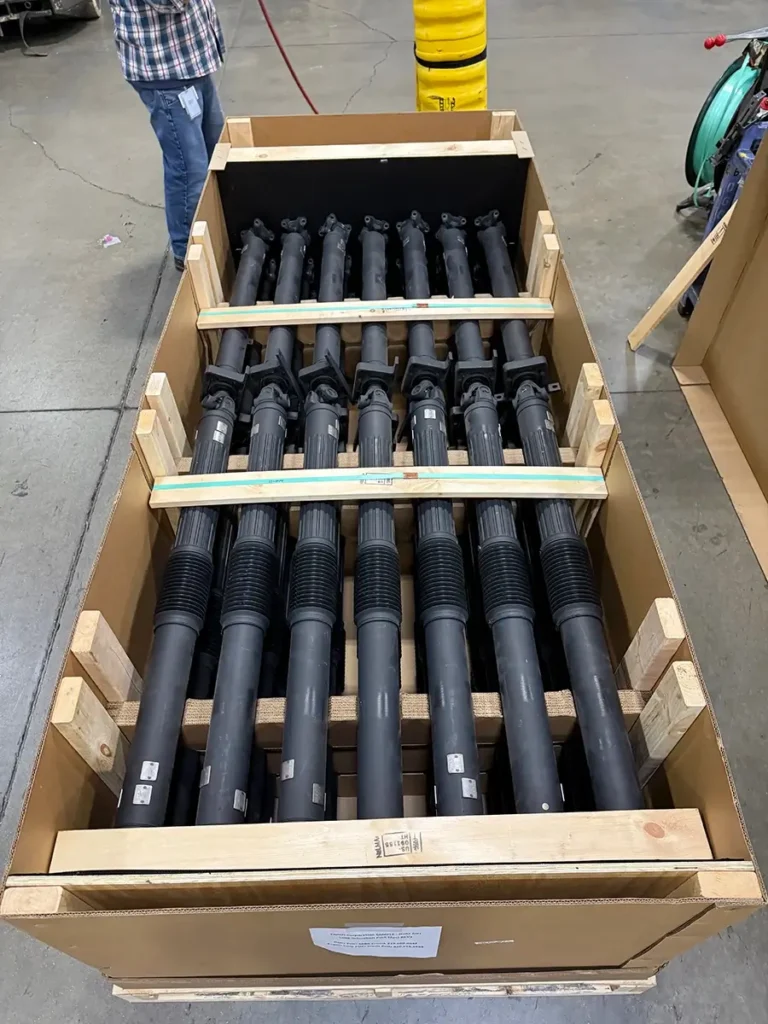
What if you’re shipping small, lightweight parts, prototypes, or low-volume orders? In these situations, expendable packaging could be the most cost-effective option. There’s little financial benefit to creating reusable crates, padding for first-article samples, or a box for valves.
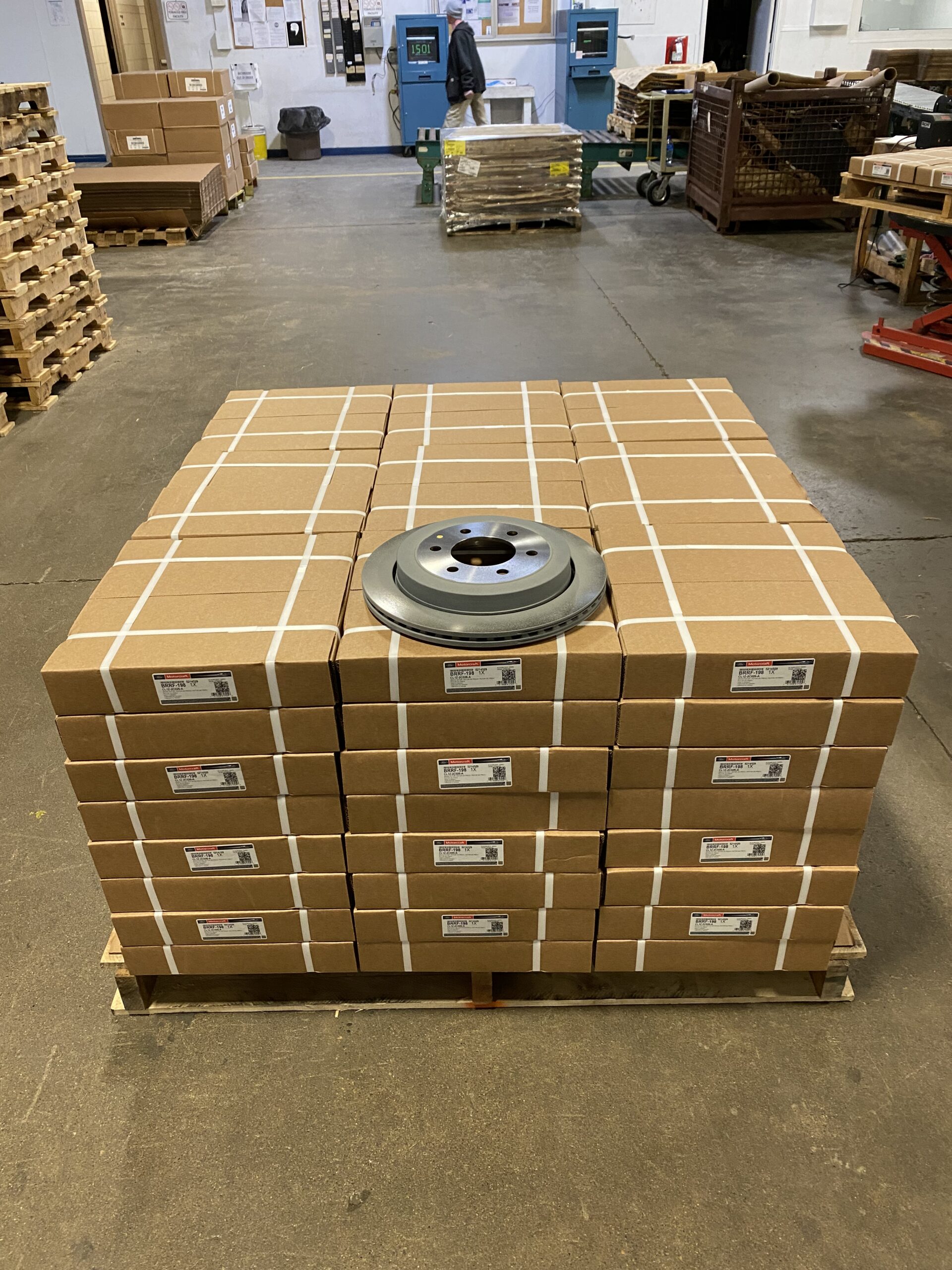
Expendable packaging is typically constructed from cardboard or plastic wrap, which helps reduce weight and handling time, but it doesn’t necessarily mean it’s less strong or durable than returnable packaging. Component protection is still at the forefront of the design, and these designs often include fillers and cushions to prevent movement during transportation.
This packaging is quick and adaptable, has lower overhead costs, and is generally good for any situation where custom dunnage is simply too expensive or too time-consuming. However, it’s not customized to the specific part, and will likely not be the right solution if your partners have strict sustainability requirements.
Still have questions? Export Corporation has answers!
Founded over 75 years ago, Export Corporation provides smart supply chain management solutions to industrial clients throughout the United States, including Tier 1 automotive manufacturers. Whether you need custom returnable packaging, expendable packaging shipped to your facility, warehousing and distribution support, or assembly and kitting services, we’re a name you can trust for reliability, efficiency, and quality.
We can support your in-house packaging team, acting as an extension of your own company, or provide outsourced services from our Michigan-based facility.
Contact us today to learn more about our capabilities or to discuss your project.
Send us details about a packaging project you need, and a member of our expert team will be in touch.