How Sequenced Parts Packaging Works
Explore the different types of sequenced parts packaging models, how they work, and why they can be beneficial to automotive OEMs and part suppliers.
Explore the different types of sequenced parts packaging models, how they work, and why they can be beneficial to automotive OEMs and part suppliers.
Sequenced parts packaging is an essential element of the automotive industry supply chain because it helps minimize waste, save space, and improve overall efficiency. In sequenced packaging, parts arrive at the assembly station in the exact order they’ll be installed, which eliminates sorting and resequencing. Rather than pulling different parts from separate bins, assemblers only have to work from a single sequenced rack or cart.
In sequenced part delivery, delivery of individual subassemblies, including doors and dashboards, is linked to the production schedule for individual vehicles, so suppliers need to package their products in the exact build sequences. Suppliers are also expected to deliver in small quantities to minimize lead time and work-in-progress.
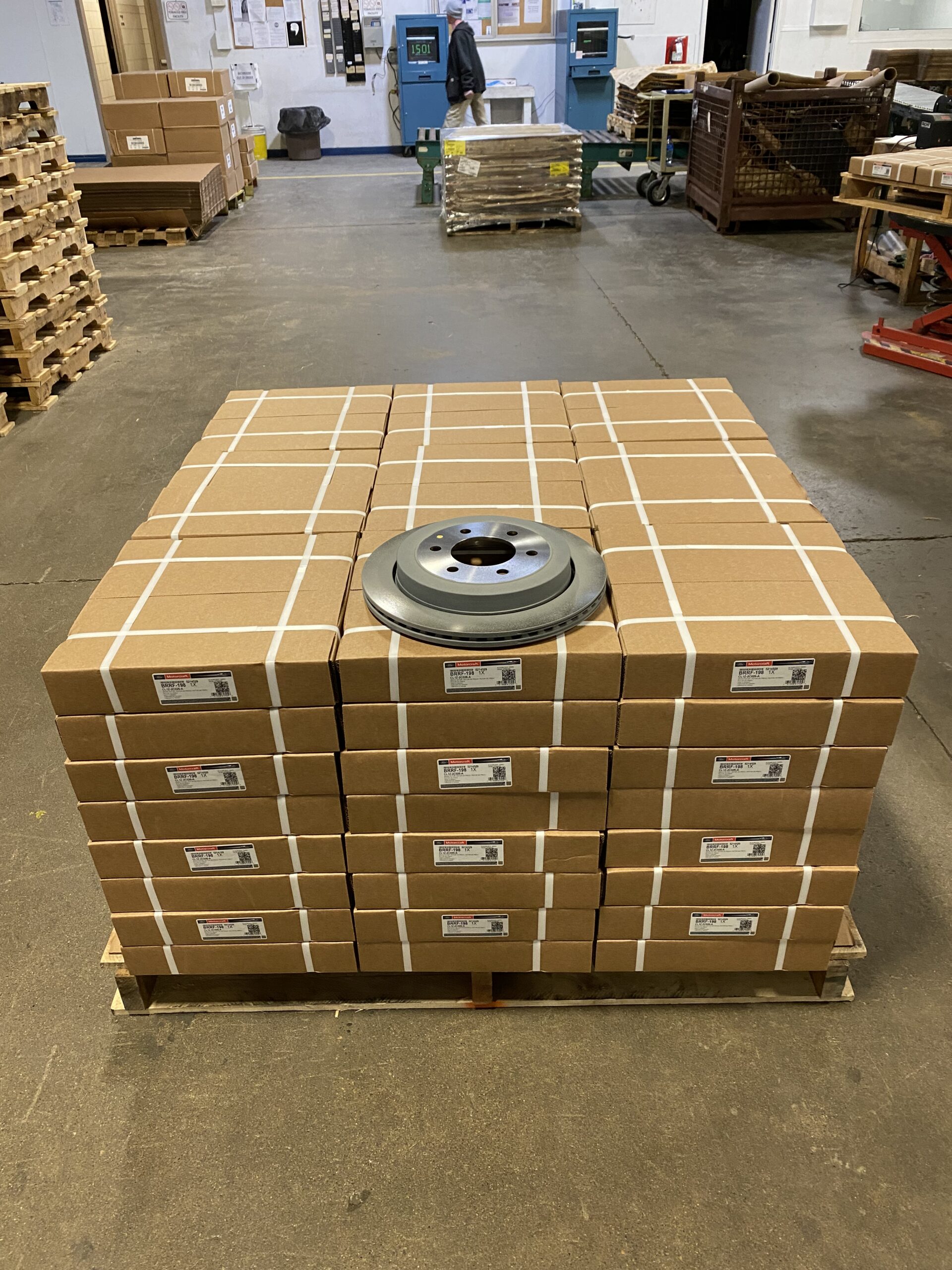
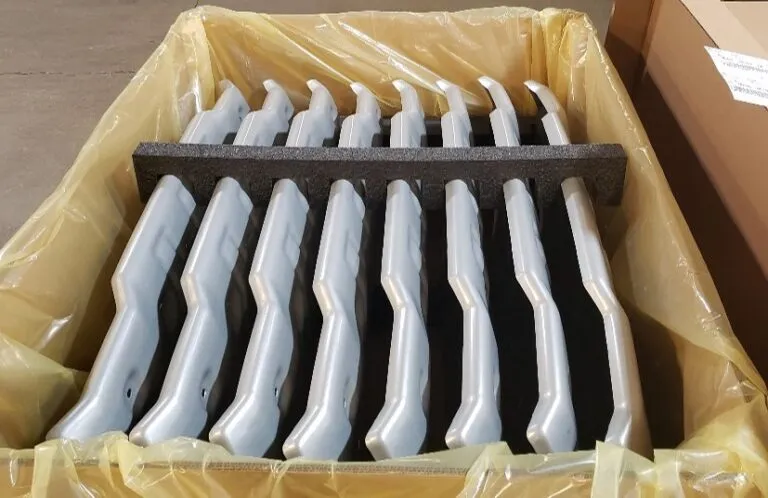
Keeping this in mind, packaging must be designed to hold each item separately, protecting them from damage while allowing workers or automated equipment to retrieve them quickly and easily. Sequenced packaging emphasizes ergonomics and accessibility because the rack or tote must be easily moved from the delivery bay to the line.
Suppliers usually produce in batches rather than in the vehicle build sequence, so products must be sorted into the production sequence before packaging and delivery. This sorting is often done manually, with products being pulled from multiple storage locations and transferred to the sequenced parts packaging.
Error prevention and detection are priorities during sorting, as mistakes can be extremely expensive to rectify at the assembly plant. Technologies such as machine vision, code reading, and RFID are used to support increasing levels of automation and detect errors.
One challenge with sorting is understanding the correct sequencing window. You want to do it close enough to the vehicle build date to prevent the risk of schedule changes. Packaging too far in advance risks schedule changes that force parts to be unpacked and repacked. Determining the correct window requires understanding when it needs to be delivered, where it will be delivered, existing SLAs, and other factors.
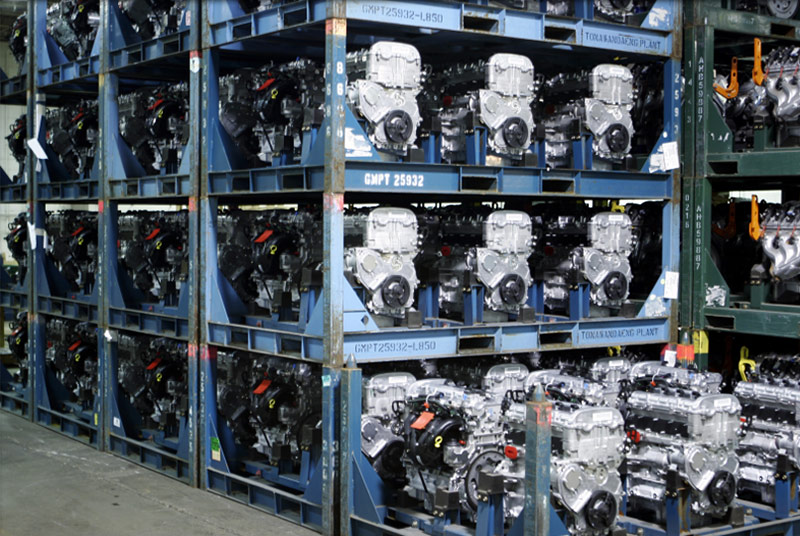
Deliveries of sequenced parts go straight to the area on the assembly line where they will be installed in the vehicles, reducing handling and space requirements but requiring packaging designed to fit the line and be easy to withdraw from. Ideally, there is some form of error-proofing that ensures parts can only be withdrawn in a single sequence.
Packaging must also be designed so it can quickly be moved aside when empty, creating space for the next rack, tote, or other dunnage to arrive. Additionally, packaging is often designed to be returnable, with empty units returned to the supplier for replenishment.
Although this method is extremely beneficial in preventing errors, reducing inventory, and simplifying in-line kitting, it can’t be implemented overnight. In fact, many automotive suppliers prefer outsourcing to packaging specialists, rather than investing substantial effort in developing a solution that may need reworking after initial introduction.
The main hurdles to address are:
Packaging design should be part of your APQP framework, not an afterthought. If you don’t have the time or resources to develop a sequence packaging plan, let’s talk.
Founded over 75 years ago, Export Corporation specializes in helping Tier I and Tier II automotive suppliers develop efficient supply chain management solutions. Based in Brighton, MI, our team has extensive experience with sequenced parts packaging and can create sequencing hubs near our customers’ plants.
Visit our website to learn more about our capabilities, or contact us today to share your project details.
Send us details about a packaging project you need, and a member of our expert team will be in touch.